A Deep Dive Into Becoming a Confident Yoga Teacher Through 200 RYT Training


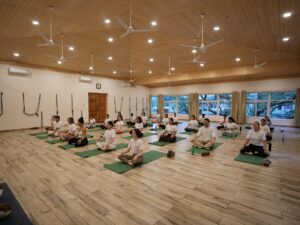
Many people begin their yoga journey for flexibility or stress relief, but over time, curiosity grows about what lies beneath the poses. Teacher training is often the moment when yoga shifts from a practice into a way of understanding the body, breath, and self. The 200 RYT certification journey represents that turning point, where students move beyond surface-level movement and start exploring yoga as a complete system. This training invites depth, discipline, and discovery, while remaining accessible to dedicated beginners.
Understanding what 200 RYT truly represents
A 200-hour Registered Yoga Teacher program is the foundational standard recognized by Yoga Alliance. It marks the first professional step into teaching yoga, but it is also a personal deepening of practice. The hours include physical practice, theory, philosophy, and teaching methodology, all woven together to create a well-rounded experience.
More importantly, this training is not only for those who want to teach. Many students enroll to understand yoga better. They want clarity on alignment, breath, and the purpose behind each posture. As a result, the training supports both professional goals and personal growth.
Moving beyond poses into purposeful practice
While asana remains central, the training goes far beyond memorizing sequences. Students learn why poses exist, how they affect the body, and when they should be practiced. This deeper understanding builds confidence and reduces the risk of injury.
In addition, trainees explore how to adapt poses to different body types. Since every student is unique, learning modifications become essential. This skill allows future teachers to create inclusive and safe classes that meet students where they are.
Exploring anatomy in a practical way
Anatomy can sound intimidating at first, but most 200 RYT programs teach it in a clear, approachable manner. Instead of complex medical language, the focus stays on how muscles, joints, and breath interact during movement. This practical approach helps students connect theory with what they feel on the mat.
As training continues, anatomy becomes a supportive tool rather than a challenge. Students begin to understand why specific movements feel stable while others feel strained. This awareness improves both teaching skills and personal practice.
Learning the roots and philosophy of yoga
Yoga philosophy offers context and meaning to modern practice. During training, students study ancient texts such as the Yoga Sutras and learn ethical principles, including mindfulness and non-harming. These teachings help explain why yoga emphasizes balance, awareness, and compassion.
Philosophy also encourages reflection. Students often find that these lessons influence how they handle stress, relationships, and daily decisions. Over time, yoga becomes less about performance and more about presence.
Developing teaching skills with clarity and care
Teaching yoga requires more than knowing poses. Trainees learn how to cue clearly, observe students, and guide classes with confidence. Practice teaching sessions help students find their voice and teaching style in a supportive environment.
Feedback plays an important role here. By giving and receiving feedback, students grow more comfortable leading others. Gradually, teaching shifts from feeling intimidating to feeling natural and rewarding.
Understanding sequencing and class structure
Sequencing is the art of building a class that flows logically and safely. Students learn how to warm up the body, peak at the right moment, and cool down effectively. This structure helps students feel supported throughout the class.
Midway through training, many programs focus on foundational yoga teacher-training skills, including intelligent sequencing and pacing. These skills allow teachers to create classes that feel balanced and purposeful rather than rushed or random.
The role of breath and mindfulness
Breath work, often called pranayama, forms a key layer of the training. Students learn how breath influences the nervous system and supports movement. Simple breathing techniques can calm the mind or energize the body, depending on the intention.
Mindfulness also becomes part of every practice. Through meditation and awareness exercises, students learn how to stay present. This skill benefits both teaching and daily life, as it encourages calm and focus.
Building confidence through self-practice
Throughout the training, students spend significant time practicing on their own. This self-practice helps integrate what they learn and builds discipline. Over time, confidence grows as understanding deepens.
Challenges often arise during this phase. However, working through them helps students trust their ability to learn and adapt. This resilience becomes valuable both on and off the mat.
Community and shared learning
One of the most meaningful aspects of 200 RYT training is the sense of community. Training groups often become supportive spaces where students share growth, doubts, and breakthroughs. Learning alongside others creates connection and accountability.
This shared experience also exposes students to different perspectives. By observing others, trainees expand their understanding of teaching styles and learning approaches.
Preparing for life after certification
Completing the 200 hours is a milestone, yet it is not the end of learning. Graduates leave with a strong foundation and a clear sense of direction. Some begin teaching immediately, while others continue studying or deepen personal practice.
In the final stage of training, many students reflect on how the benefits of yoga teaching certification extend beyond the classroom. Skills like communication, empathy, and self-awareness often influence careers, relationships, and lifestyle choices.
Embracing the deeper layers of the yogic path
A 200 RYT program offers more than credentials. It invites students to explore discipline, curiosity, and inner awareness. Through study, practice, and reflection, yoga becomes a living experience rather than a routine.
Those who commit to the process often find lasting change. The training builds not only capable teachers but also mindful individuals who carry yoga into everyday life.