Building a Joyful Practice: Certified Kids Yoga Instruction for Young Minds


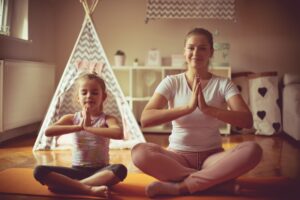
Yoga has grown far beyond adult wellness studios. Today, children benefit from yoga programs that support physical health, emotional balance, and mindful awareness. Many educators and parents now recognize how yoga can help children manage stress, improve focus, and build healthy habits early in life. Because of this growing awareness, structured programs like certified kids yoga instruction have become an important part of youth development.
Children experience the world through movement, play, and imagination. Therefore, yoga designed for young learners must reflect those natural behaviors. Unlike traditional adult yoga classes, children’s yoga emphasizes storytelling, creativity, and fun activities to keep kids engaged. When instructors receive proper training, they can guide young students safely while nurturing confidence, mindfulness, and joy.
Why Yoga Matters for Children
Children face more pressure today than ever before. School demands, technology use, and social challenges often affect their emotional and mental health. Fortunately, yoga offers a gentle solution that supports both body and mind.
Yoga encourages children to slow down and connect with their breath and movement. As they practice simple poses, they develop better balance, coordination, and strength. At the same time, breathing exercises help calm their minds and reduce anxiety. Over time, these skills support emotional regulation and self-awareness.
In addition, yoga builds children’s confidence. When kids learn new poses and see their progress, they begin to trust their abilities. This sense of accomplishment often spreads into other areas of life, including school and friendships. As a result, yoga becomes more than exercise. It becomes a tool for personal growth.
What Makes Kids’ Yoga Different
Teaching yoga to children requires a different approach than teaching adults. Kids have shorter attention spans, higher energy levels, and a strong need for interactive learning. Therefore, instructors must create sessions that feel playful while still teaching meaningful skills.
Children’s yoga classes often include games, stories, songs, and imaginative themes. For example, instructors might guide children through a jungle adventure while practicing animal poses. This approach keeps children engaged while naturally introducing yoga techniques.
Additionally, classes often combine movement with breathing and relaxation. Kids may begin with energetic poses, then transition into calming exercises that help them focus. This balance between activity and stillness teaches children how to manage their energy and emotions.
The Role of a Certified Kids Yoga Instructor
Becoming a children’s yoga instructor involves more than simply knowing yoga poses. Teachers must understand child development, safety, and creative teaching methods. That is why many professionals pursue specialized training programs.
A well-designed program, such as kids yoga teacher training, helps instructors learn how children think, move, and respond to instruction. These programs also teach age-appropriate pose variations, classroom management strategies, and engaging lesson planning. Because of this training, instructors can create safe environments where children feel supported and excited to learn.
Certified instructors also understand how to adapt yoga for different age groups. Younger children often respond best to playful storytelling and games. Older children may benefit from discussions about mindfulness, emotional awareness, and healthy habits. With proper training, instructors learn how to guide each group effectively.
Teaching Yoga Through Creativity and Play
Children learn best when they feel curious and inspired. Therefore, creative teaching techniques play a major role in successful kids’ yoga classes. Instead of focusing only on poses, instructors often build lessons around imaginative themes.
For example, a class might explore ocean adventures, forest journeys, or space exploration. During these sessions, children practice poses that represent animals, plants, or stars. This storytelling approach transforms yoga into an exciting experience rather than a structured workout.
Creative props also support engagement. Instructors may use scarves, music, visual cards, or stuffed animals to help children understand movements. These tools make learning interactive and enjoyable. As a result, children stay focused while naturally absorbing yoga skills.
Benefits of Yoga for Young Minds and Bodies
Yoga supports children in many important ways. Physically, it helps improve flexibility, strength, posture, and coordination. Many children also develop better body awareness, which can reduce the risk of injury during sports and play.
Mentally, yoga strengthens focus and attention. Simple breathing exercises teach children how to calm their thoughts and remain present. Over time, this skill helps them concentrate during school activities and homework.
Emotionally, yoga encourages self-awareness and empathy. Many kids’ yoga classes include discussions about kindness, gratitude, and emotional expression. These conversations help children understand their feelings and communicate them in healthy ways.
In addition, yoga provides a safe space for relaxation. Children often carry stress from school or social situations. Guided relaxation and mindfulness exercises allow them to release tension and recharge.
How Schools and Families Support Kids Yoga
Schools, community centers, and families increasingly support yoga programs for children. Many educators now integrate short yoga breaks into the school day to help students refocus and relax.
Parents also recognize the value of yoga in supporting emotional wellness. Some families attend yoga sessions together, which strengthens bonds and promotes healthy routines at home. When children see adults practicing mindfulness, they feel more encouraged to continue their own practice.
Community programs also help expand access to children’s yoga. Workshops, after-school programs, and summer camps introduce yoga to new audiences. As these programs grow, more children gain access to tools that support lifelong wellness.
Building a Meaningful Career in Kids Yoga
Teaching children’s yoga can be a deeply rewarding career. Instructors not only guide movement but also influence how children understand mindfulness, confidence, and self-care.
Successful instructors often combine a passion for wellness with a love for working with children. They create environments where kids feel safe, respected, and inspired. Over time, these teachers witness how yoga positively shapes young lives.
The demand for trained instructors continues to grow as more schools, studios, and community programs introduce yoga for children. Therefore, individuals interested in this field often pursue specialized certification to build credibility and skills.
Ultimately, programs that focus on certified kids yoga instruction prepare teachers to support young learners in meaningful ways. These programs help instructors understand child development, creative teaching methods, and safety practices. As more educators embrace this path, children everywhere gain access to yoga experiences that nurture both their bodies and minds.