Certified Prenatal Yoga: Cultivating Calm, Strength, and Connection During Pregnancy


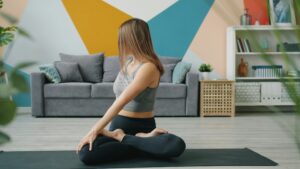
Prenatal yoga is a specialized practice designed to support the physical, emotional, and mental well-being of expecting mothers. Rooted in gentle movement, mindful breathing, and relaxation, it emphasizes serenity while adapting to the changing needs of pregnancy. When guided by a certified prenatal yoga instructor, this practice becomes a safe and nurturing space where mothers-to-be can slow down, tune in, and feel supported throughout each trimester.
Unlike general yoga classes, prenatal yoga focuses on stability, comfort, and awareness rather than intensity or flexibility goals. It encourages mothers to honor their bodies as they are, which helps reduce anxiety and build confidence. As a result, prenatal serenity is not just about relaxation, but also about cultivating trust in the body’s natural ability to grow and nurture new life.
What Makes Certified Prenatal Yoga Different
Certified prenatal yoga instructors undergo specialized training that equips them with knowledge about pregnancy anatomy, contraindicated poses, and trimester-specific modifications. This certification ensures that classes are thoughtfully structured to minimize risk while maximizing benefits for both mother and baby. Consequently, expecting mothers can practice with peace of mind, knowing their safety is a priority.
In addition, certified instructors understand the emotional landscape of pregnancy. They often integrate discussions about hormonal changes, body image, and emotional resilience into their sessions. Through this holistic approach, prenatal yoga becomes more than exercise; it transforms into a comprehensive support system that nurtures both body and mind during pregnancy.
Physical Benefits for Expecting Mothers
One of the most noticeable benefits of prenatal yoga is improved physical comfort. Gentle stretches and poses help relieve common pregnancy discomforts such as back pain, swollen joints, and muscle tension. Over time, consistent practice can also enhance posture and balance, which are especially important as the body’s center of gravity shifts.
Moreover, prenatal yoga strengthens key muscle groups needed for labor and postpartum recovery. By focusing on the pelvic floor, hips, and core, expecting mothers build functional strength without strain. As a result, many women report feeling more physically prepared and resilient as their due date approaches.
Emotional Well-Being and Stress Reduction
Pregnancy often brings a mix of excitement and uncertainty, which can lead to emotional stress. Prenatal yoga addresses this by incorporating breathing techniques and guided relaxation that calm the nervous system. These practices encourage mindfulness, helping mothers stay present rather than overwhelmed by worries about the future.
Furthermore, the supportive environment of a prenatal yoga class fosters emotional connection. Sharing the experience with other expecting mothers can reduce feelings of isolation and promote a sense of community. Over time, this emotional support contributes to improved mood, better sleep, and a deeper sense of inner calm.
Breathwork and Mind-Body Connection
Breathing techniques, or pranayama, play a central role in certified prenatal yoga. Controlled breathing helps regulate heart rate, reduce tension, and improve oxygen flow to both mother and baby. These techniques are particularly valuable during moments of stress, offering a simple yet powerful tool for relaxation.
At the same time, mindful breathing strengthens the mind-body connection. Expecting mothers learn to listen to their bodies and respond with compassion rather than resistance. This awareness not only enhances the yoga practice but also prepares mothers for the rhythm and intensity of labor, where breath awareness can be especially beneficial.
Preparing for Labor and Birth
Prenatal yoga gently introduces movements and positions that can support labor and delivery. Squats, hip openers, and pelvic tilts are commonly included to encourage flexibility and strength in areas essential for childbirth. Practicing these poses regularly helps mothers feel more familiar and comfortable with labor-supportive positions.
In addition, relaxation and visualization techniques taught in prenatal yoga classes can be applied during labor. By practicing calm focus ahead of time, expecting mothers develop coping strategies that may reduce fear and tension during birth. This mental preparation often leads to a more empowered and positive birthing experience.
Building Confidence and Self-Awareness
As pregnancy progresses, many women experience changes that challenge their sense of self. Prenatal yoga offers a space to reconnect with the body in a positive way. Through gentle movement and mindful awareness, mothers learn to appreciate their strength and adaptability, which naturally boosts confidence.
Over time, this growing self-awareness extends beyond the mat. Expecting mothers often feel more attuned to their needs, boundaries, and intuition. This confidence can influence decisions related to birth plans, self-care, and parenting, creating a strong foundation for the journey into motherhood.
Choosing the Right Prenatal Yoga Class
Selecting a certified prenatal yoga class is an important step in ensuring a safe and rewarding experience. It is helpful to look for instructors with recognized prenatal yoga certifications and experience working with pregnant clients. Class size, teaching style, and overall atmosphere should also align with personal comfort levels.
Additionally, many studios and instructors offer both in-person and online options. While in-person classes provide hands-on guidance and community interaction, online classes offer flexibility and convenience. Regardless of the format, the key is choosing a class that prioritizes safety, inclusivity, and mindful support.
Integrating Prenatal Yoga Into Daily Life
To fully experience prenatal serenity, consistency is essential. Even short, regular sessions can have a meaningful impact on physical comfort and emotional balance. Many expecting mothers find it helpful to incorporate simple stretches or breathing exercises into their daily routines, especially during moments of fatigue or stress.
Beyond structured classes, the principles of prenatal yoga can influence everyday life. Mindful breathing, gentle movement, and self-compassion can be practiced anywhere. By integrating these habits, expecting mothers carry the calming benefits of prenatal yoga into each stage of pregnancy and beyond.
Embracing Serenity Throughout Pregnancy
Certified prenatal yoga offers a gentle yet powerful pathway to serenity during pregnancy. By supporting physical strength, emotional balance, and mindful awareness, it addresses the unique needs of expecting mothers in a holistic way. Each practice becomes an opportunity to pause, breathe, and connect with the growing life within.
Ultimately, prenatal serenity is not about achieving perfection, but about embracing the journey with patience and care. Through certified prenatal yoga, expecting mothers can cultivate calm, confidence, and connection, creating a nurturing foundation for both birth and motherhood.