Crafting Inner Strength Through Yoga: Your Journey to Becoming a Certified Yoga Trainer


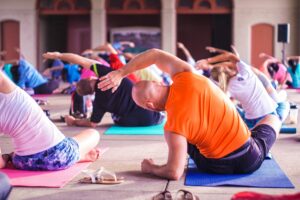
Yoga has become more than a daily fitness routine. It is a way of improving physical health, mental clarity, and emotional balance. As more people embrace this ancient practice, the demand for skilled instructors continues to grow. Becoming a certified yoga trainer is a rewarding path for those who want to inspire others while building a meaningful career. It offers the chance to deepen personal knowledge and share the life-changing benefits of yoga with students from all walks of life.
Why Yoga Teacher Certification Matters
A yoga teacher certification provides the knowledge and skills needed to teach safely and effectively. It helps future trainers understand yoga beyond the physical poses. During certification, students learn about anatomy, breathing techniques, meditation, yoga philosophy, and proper alignment. This strong foundation allows instructors to guide students with confidence while reducing the risk of injury.
Certification also increases credibility. Many yoga studios, wellness centers, and fitness facilities prefer hiring instructors who have completed recognized training programs. A certified yoga trainer demonstrates dedication, professionalism, and a commitment to maintaining high teaching standards.
Building a Strong Foundation in Yoga
Before becoming a certified yoga trainer, it is helpful to develop a regular personal practice. Consistent practice allows individuals to experience the physical, mental, and emotional benefits of yoga firsthand. It also creates a deeper understanding of different poses, breathing methods, and meditation techniques.
A personal yoga journey helps future instructors connect with their students. Trainers who understand both the challenges and rewards of learning yoga can offer better guidance and encouragement. This personal experience becomes an important part of effective teaching.
What to Expect During Yoga Teacher Training
Yoga teacher training programs are designed to provide a complete learning experience. Students spend time practicing yoga, studying anatomy, learning teaching methods, and exploring the history and philosophy of yoga. They also develop communication skills that help them lead classes with confidence.
Hands-on teaching practice is a major part of the training process. Future instructors learn how to demonstrate poses clearly, provide safe adjustments, and create classes suitable for different experience levels. Constructive feedback from experienced teachers helps students improve their teaching style before working with real clients.
The training also encourages personal growth. Many participants discover increased self-awareness, patience, and mindfulness throughout the learning process. These qualities become valuable assets in both professional and personal life.
Essential Skills Every Yoga Trainer Should Develop
Teaching yoga requires much more than demonstrating poses. Successful instructors communicate clearly, listen carefully, and create a welcoming environment where students feel comfortable learning at their own pace.
A certified yoga trainer should understand how to modify poses for different fitness levels, body types, and physical limitations. Every student has unique needs, and the ability to adapt lessons helps create a safe and enjoyable experience.
Leadership, compassion, and confidence are equally important. Students often look to their instructor for motivation and reassurance. A calm and positive teaching style encourages trust and helps students stay committed to their yoga practice.
Career Opportunities After Certification
Completing yoga teacher certification opens many professional opportunities. Certified trainers can teach at yoga studios, fitness centers, wellness retreats, community organizations, and private health facilities. Some instructors also offer private lessons or virtual classes, allowing them to reach students from different locations.
Many yoga trainers choose to specialize in specific areas such as prenatal yoga, children’s yoga, senior yoga, or therapeutic yoga. These specialties allow instructors to work with different groups while expanding their expertise and career options.
Some experienced instructors eventually establish their own yoga studios or create online training programs. This flexibility makes yoga instruction an attractive career for those seeking both personal fulfillment and professional independence.
Continuing Growth as a Yoga Professional
Learning does not stop after receiving certification. The most successful yoga trainers continue expanding their knowledge through advanced workshops, specialized courses, and regular personal practice. Staying updated with new teaching methods and wellness trends helps instructors provide the best possible experience for their students.
Building strong relationships within the yoga community also supports long-term success. Connecting with other instructors creates opportunities for collaboration, mentorship, and continued learning. Sharing experiences with fellow professionals helps maintain motivation and encourages continuous improvement.
As instructors grow in knowledge and experience, they become better equipped to guide students toward healthier and more balanced lives. This lifelong commitment to learning strengthens both teaching abilities and personal development.
Turning Passion Into a Meaningful Career
Becoming a certified yoga trainer is more than earning a credential. It is a journey of personal transformation, continuous learning, and service to others. Every class offers an opportunity to help students improve flexibility, reduce stress, build confidence, and discover greater inner peace.
With proper training, dedication, and genuine passion for helping others, anyone can develop the skills needed to become an effective yoga instructor. A certification provides the foundation, while consistent practice and compassion shape a trainer into a trusted guide. For those seeking a fulfilling profession that combines wellness, education, and personal growth, becoming a certified yoga trainer is a path filled with purpose and lasting impact.