Certified Prenatal Yoga: A Calm Path to a Healthy Pregnancy


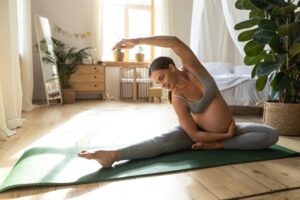
Pregnancy brings exciting changes, yet it also creates new physical and emotional challenges. As your body grows and adapts, you need safe ways to stay active while supporting your overall well-being. Certified Prenatal Yoga offers a gentle and effective approach that helps expecting mothers build strength, improve flexibility, and reduce daily stress. Moreover, this specialized practice focuses on movements and breathing techniques designed specifically for pregnancy. Unlike regular yoga classes, certified prenatal sessions consider every stage of pregnancy. As a result, mothers can enjoy exercise with confidence while creating a stronger connection with their growing baby throughout this remarkable journey.
Why Certified Prenatal Yoga Matters During Pregnancy
Every pregnancy is unique, so choosing an exercise program designed for expecting mothers makes a significant difference. Certified prenatal yoga instructors understand the physical changes that occur during pregnancy. Therefore, they modify poses to protect both mother and baby while encouraging healthy movement. This professional guidance reduces unnecessary strain and helps women exercise with greater confidence throughout the first trimester and into the final weeks.
Additionally, certified classes provide more than physical activity. They also create a supportive environment where expecting mothers can relax, learn, and connect with others experiencing similar changes. Consequently, many women feel less anxious and more prepared for childbirth. The combination of movement, breathing, and mindfulness supports both emotional balance and physical wellness throughout pregnancy.
Building Strength Without Overworking the Body
Pregnancy places additional demands on muscles, joints, and posture. Fortunately, prenatal yoga strengthens the body through slow, controlled movements rather than intense workouts. Because each pose focuses on stability and balance, mothers develop stronger legs, hips, and core muscles that support the growing baby throughout pregnancy.
At the same time, gentle stretching improves flexibility without forcing uncomfortable positions. As muscles become more balanced, many women notice less tension in the lower back, shoulders, and hips. Furthermore, consistent practice supports healthy posture, which often reduces common pregnancy discomfort. These gradual improvements help mothers stay comfortable while maintaining safe activity levels.
Breathing Techniques That Encourage Relaxation
Breathing plays an important role during pregnancy, labor, and recovery. Certified prenatal yoga teaches breathing exercises that increase awareness while promoting relaxation. Instead of shallow breathing caused by stress, mothers learn slow and controlled techniques that calm both body and mind. Consequently, they often experience lower stress levels during everyday activities.
These breathing methods also become valuable during labor. As contractions increase, controlled breathing encourages focus and helps manage discomfort naturally. Moreover, practicing these techniques throughout pregnancy creates familiar habits that many women rely on during childbirth. This preparation allows expecting mothers to approach labor with greater confidence and calmness.
Supporting Emotional Wellness Throughout Pregnancy
Pregnancy often brings emotional highs along with moments of uncertainty. Hormonal changes, physical discomfort, and daily responsibilities sometimes increase stress levels. Fortunately, prenatal yoga encourages mindfulness through gentle movement and focused breathing. Therefore, many women discover healthier ways to manage changing emotions while maintaining a positive outlook.
Regular practice also creates quiet moments away from busy schedules. During each session, mothers focus on their breathing and bodies rather than on daily worries. As a result, emotional balance improves naturally over time. Prenatal yoga benefits extend beyond physical health because emotional well-being supports healthier pregnancies and stronger family relationships.
Preparing the Body for Labor and Delivery
Although every birth experience differs, physical preparation often improves confidence before delivery. Certified prenatal yoga strengthens muscles involved in labor while improving flexibility in the hips and pelvis. Therefore, many women feel more prepared as their due date approaches. Gentle movements also encourage better body awareness during changing labor positions.
In addition, yoga teaches relaxation techniques that help mothers respond calmly during labor. Instead of becoming overwhelmed by discomfort, many women use breathing and mindfulness to stay focused. Consequently, they often experience greater confidence throughout the childbirth process. While yoga cannot predict labor outcomes, it provides valuable tools that support both physical endurance and emotional resilience.
Choosing the Right Certified Prenatal Yoga Class
Finding a qualified instructor remains one of the most important steps. Certified prenatal yoga teachers receive specialized training that prepares them to guide pregnant students safely. Because they understand pregnancy-related changes, they modify poses according to each trimester and individual needs. This professional knowledge helps reduce unnecessary risks while encouraging healthy movement.
Before joining a class, mothers should also speak with their healthcare provider. Every pregnancy differs, so medical guidance ensures that yoga fits individual health needs. After receiving approval, choosing a welcoming class with experienced instructors creates a positive learning experience. Healthy pregnancy exercise becomes easier when mothers feel comfortable asking questions and progressing at their own pace.
Safe Practices for Every Stage of Pregnancy
Safety should always remain the highest priority during prenatal exercise. Certified instructors avoid poses that place excessive pressure on the abdomen or create balance challenges. Instead, they introduce gentle alternatives that support changing bodies throughout pregnancy. As pregnancy progresses, these modifications continue to protect both mother and baby while maintaining healthy activity.
Hydration, comfortable clothing, and listening to the body’s signals also contribute to safe practice. Whenever discomfort appears, mothers should stop immediately and communicate with their instructor. Likewise, avoiding comparison with others helps create a healthier mindset. Each pregnancy follows its own path, so progress should always reflect individual comfort and medical advice.
Continuing Wellness Beyond Pregnancy
The positive habits developed during prenatal yoga often continue after childbirth. Mothers who practice mindful breathing frequently use these techniques while caring for newborns and adjusting to new routines. Furthermore, the strength developed during pregnancy supports recovery and everyday parenting activities. These lasting benefits encourage long-term wellness beyond delivery.
Equally important, prenatal yoga introduces a balanced approach to health that many families continue together. Mindfulness, regular movement, and stress management remain valuable throughout parenthood. As mothers build confidence through consistent practice, they often feel better prepared for both childbirth and life after pregnancy. Mindful pregnancy wellness becomes more than a temporary routine because it creates healthy habits that support mothers long after their babies arrive.